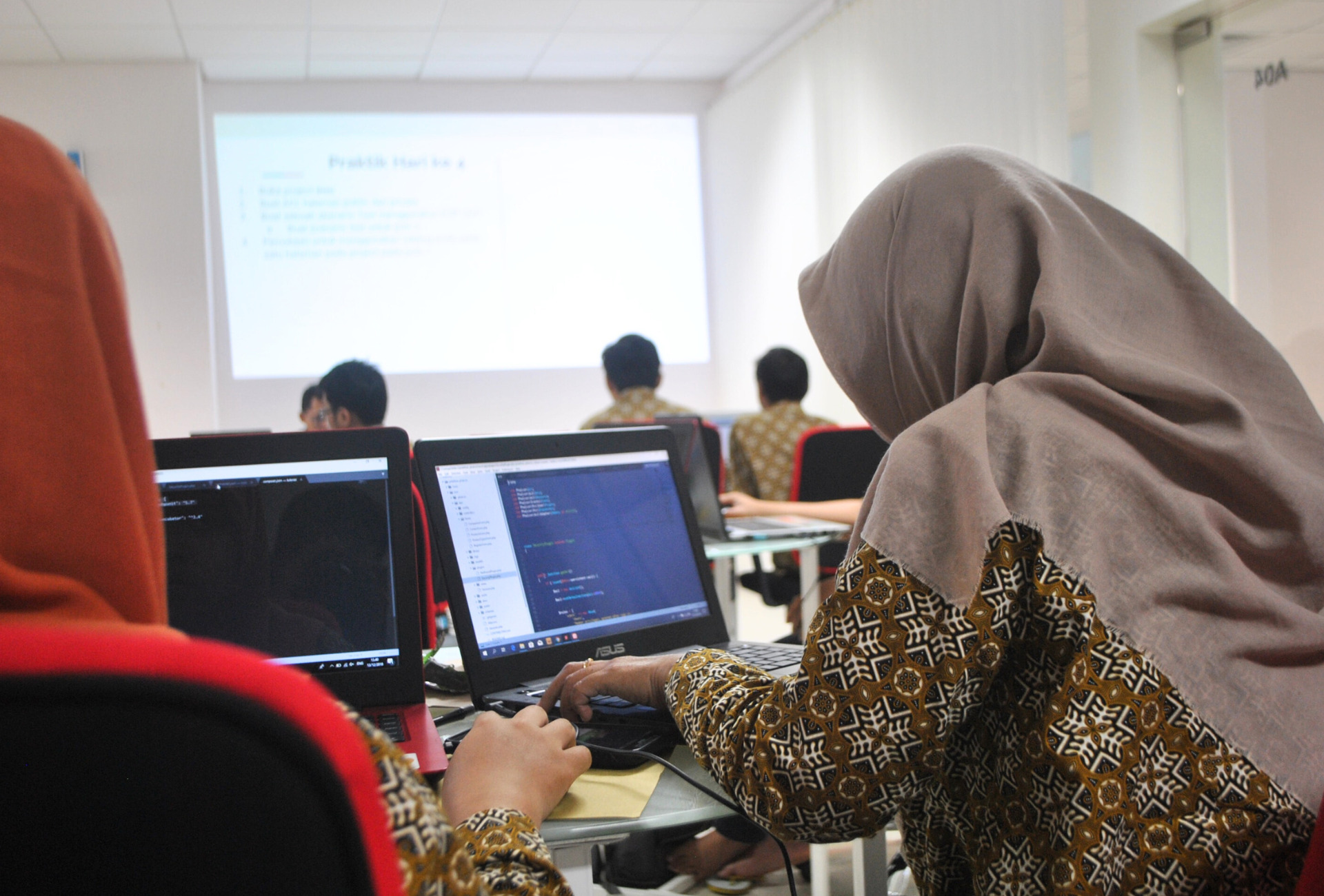

On the 4th and 5th of July 2011, the Zimbabwe-Europe Partnership for Democracy (ZEPAD) in partnership with COPAC and the Zimbabwe Institute hosted a constitution Best Practices Seminar. The participants to the seminar were members of civil society organisations (CSO); the COPAC Select Committee; and constitution experts from Kenya and Ghana. Altogether there were 92 participants to the workshop -48 CSO members, 34 COPAC officials and 10 Ghana and Kenya constitution experts.
Day one of the workshop covered presentations by COPAC and CSOs on the constitution process to date and presentations by Kenya and Ghana constitution experts on experiences and best practises in planning and managing the drafting and referendum processes. The major highlights from the workshop presentations are as follows:
1. Contesting parties often find it difficult to accept defeat. Therefore it was recommended to have a strong electoral body that will reject all forms of corruption and vote rigging.
2. Following the abortion of good national development plans by the newly elected party/ government there is a need to establish a national development plan that is not solely influenced by the reigning politicians.
3. Given the risk of mayhem and anarchy during the transition phase, there is a need for clearly defined transition mechanisms.
4. Inclusiveness in the process in important as citizens can be empowered to reject what the politicians put forward if they are not in agreement.
5. The draft constitution must be communicated to all citizens before the referendum to ensure informed participation.
6. Clear timelines and terms of reference must be established for all stakeholders, including the politicians, to ensure timely implementation and reporting, thereby avoiding unnecessary waste of resources.
On day two of the workshop there was a closed door meeting between COPAC and the Kenya and Ghana delegates at the Crowne Plaza Hotel, uniting 48 participants. The seminar program covered similar issues as day one but went further to elaborate on the necessary referendum mechanisms to be established before a referendum can take place.