
Since Georgia’s independence in 1991, the Christmas Coup of 1991 and the Rose Revolution of 2003 marked the beginnings of important phases in the country’s democratic transition. Although some progress in constructing a democratic political architecture has definitely been achieved, the democratic transitions have never been consolidated, leading instead to the establishment of state institutions that are too weak to overcome the one-party dominance which has always been at the core of the revolutionary protests. Georgian citizens have demonstrated their commitment to democratic values over-and-over again; however, neither orderly transfers of power, nor the inclusion of a large part of the public in the political process seem to have materialised in the political culture of the country yet. In fact, despite Georgia’s relatively well-developed civil society, the lack of a competitive political space in which policy options could be debated leaves Georgians ill prepared to make issue-based choices with regards to the political direction of their country.
With the latest excitement over new players entering the political scene in Georgia, the question arises whether the focus is not too much on the players, instead of on the playing field. So what is all the fuzz about? The Billionaire Bidzina Ivanishvili, who is the richest man in Georgia (ranked No. 185 in the world on the “Forbes” billionaires list), recently announced that was is entering the political arena. Mr Ivanishvili predicted that he would come to power as a result of the legislative elections that are expected to take place in the autumn of 2012. Considering the chaos and in-fighting among the opposition in Georgia, until this announcement, it was common knowledge that President Saakashvili’s United National Movement (UNM) was going to win the upcoming elections. This picture seems to change now. Some local commentators have diagnosed the Georgian government with paranoia after Ivanishvili entered the field, for it immediately stripped the billionaire of his Georgian citizenship – which excludes him from participating in elections – and impounded a cash transport destined for his Georgia-based bank. Ivanishvilli originally selected as his electoral allies two political parties – the Republican Party and Irakli Alasania’s Our Georgia-Free Democrats. Later the extreme right National Forum was added to the mix.
Since Georgia’s independence 20 years ago, subsequent Georgian governments have promised to do all they can to join the club of democratic countries and the European and transatlantic organisations. Sound systemic reforms and a lively democratic culture are however considered to be the (not yet fully met) requirements for Georgia’s integration into the Euro-Atlantic community. Both the USA and the EU are, therefore, supporting the emergence and consolidation of democratic institutions and a competitive political space in Georgia. This focus on the development of a competitive political landscape doesn’t seem to please the Government of Georgia though. All governments in Georgia since 1991 have tended to interpret their popular mandate as the right to dismiss the opposition as irrelevant and to brand it as hostile to the state (rather than opposed to the government). Creating a level playing field to ensure that everyone plays by the same rules and supporting effective and accountable governance and broad civic participation is the only way to break with the Georgian tradition of transferring power via coups and revolutions and to ensure that November 2003 goes down in the Georgian history textbooks as a “revolution to end all revolutions”.
Save for elections and protest rallies, most Georgian citizens have never actively participated in civic and political life. Civil society organisations have only been able to marginally spur on civic participation. There are only few alternative policy options being publicly promoted by the different civic groups with a view to leading political actors towards content-based politics. This is the reason why the programmes of the European Partnership for Democracy (EPD) in Georgia will focus in the upcoming election years on issue-based voter education campaigns on key reform topics.
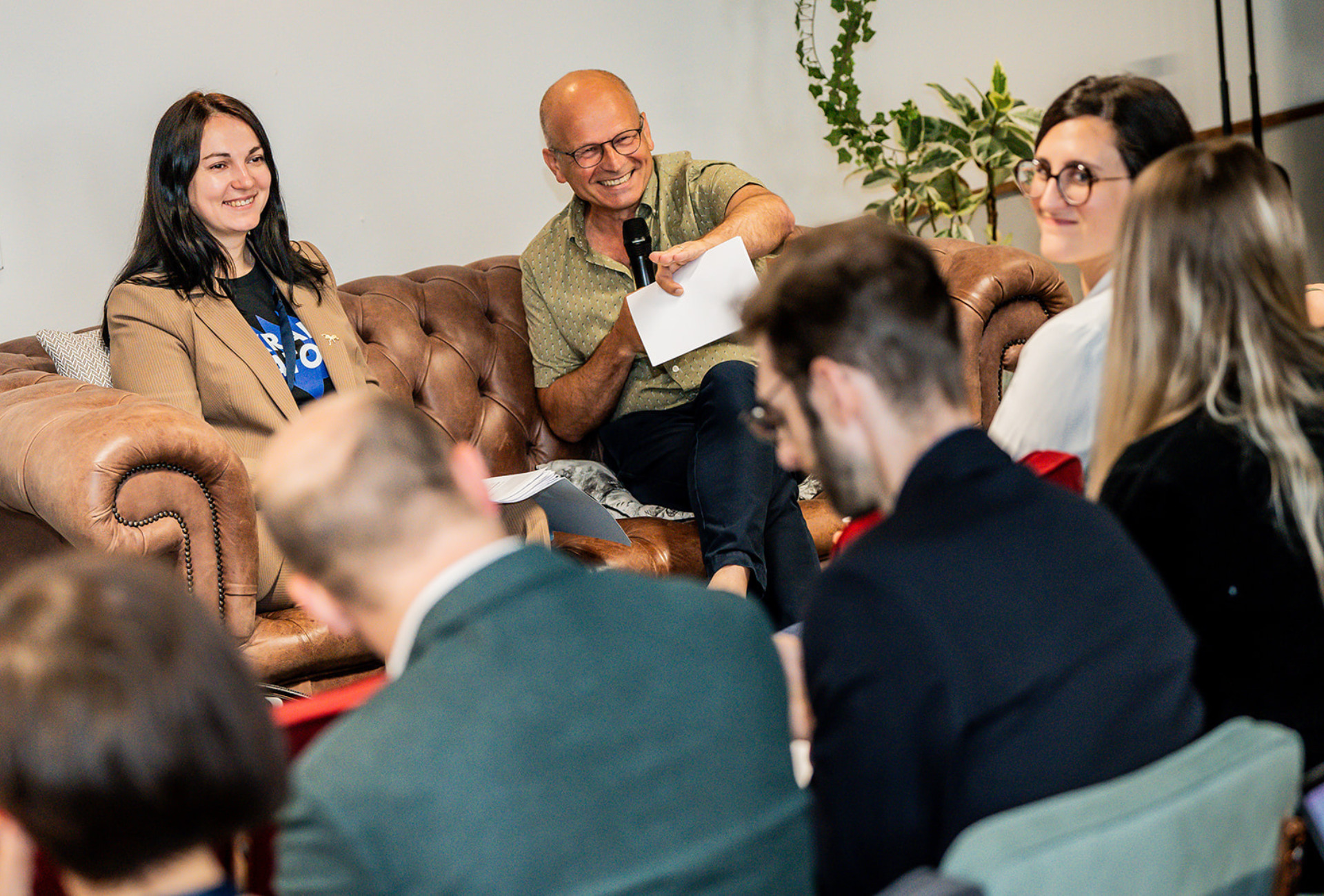
In cooperation with its local partners the Caucasus Institute for Peace Democracy and Development (CIPDD) and New Generation New Intitiative (nGnI) these campaigns will target citizens and civic organisations throughout all the regions and aim to strengthen their skills and capacity to hold their political representatives accountable with regards to fulfilling the country’s democratic reform agenda.
Launch of the nGnI-EPD project in Georgia
For more information on the mysterious newcomer in Georgian politics, we recommend reading the article drafted by Mr Ghia Nodia, Executive Director of the Caucasus Institute for Peace, Democracy and Development (CIPDD), one of the local partners of EPD in Georgia:
http://www.rferl.org/content/georgia_politics_election_billionaire_bidzina_ivanishvili/24364202.html